Change Project 911: No Time for a Change Project: Finding Time vs. Making Choices

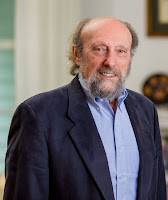
Mat Roosa, LCSW-R
NIATx Coach

“The change seems like a good idea, but we just don’t have the time to do it. Let’s come back to this next year when we have more resources."

No time for a change project:
Finding time vs. making choices

Why do so many good change ideas end up at the bottom of the pile? Why do most teams struggle to find the time, energy, and people to implement change projects? Many teams are convinced that they cannot control the urgent needs, staffing and fiscal resource demands, and other obstacles that get in the way of change implementation.  This might be because they are asking the wrong question.


Instead of asking, “Do we have the time to take on this new project?” teams and leaders should be asking, “Which projects should we choose?”.


While we may be short on time, we can choose how we’ll spend it. The four steps below can help you choose which project to pursue. Apply these strategies to both current and potential projects periodically to ensure that you create time for the critical projects and let go of the rest.  


  1. Consider the return on investment of a potential change project before implementing the change.
  2. Prioritize a manageable number of activities for action to ensure that you have the resources to complete the change project successfully.
  3. Cultivate urgency within your team to foster focus and action.
  4. Use tested practices to unite the team and sustain action to implement the project.

ROI: Understanding pros and cons and the value of the change

In keeping with a motivational Interviewing model, we are all ambivalent about most of our decisions. This includes decisions to invest in change projects. It can be helpful to use a decision balance exercise with your team regarding the pros and cons of moving forward with the change project. How valuable will this change project be for our team?

"Why should we do the change?" and "What will we lose if we fail to do this change?" balanced with "Why should we avoid the change?" and "What will we lose if we do the change?"


Priority: If everything is a priority, then nothing is a priority.

Once you have determined a strong ROI for completing a change, then you need to find a way to make it happen. Most of us have too many priorities and struggle to move them forward in a timely fashion. There are only so many projects that you and your team can complete successfully, and that number is probably smaller than you think it is. To succeed with a change implementation, we need to decide what we want to do. We also need to decide what needs to come off our list to ensure that the priority projects are completed.  


Urgency: the burning platform

Most of us, most of the time, have a bias toward the status quo. Unless there is a convincing reason to change, we tend to favor options that we know over those less familiar. Known things are more comfortable, even when they are not useful, or even dangerous. New and unknown things are stressful, even when they are likely to provide us with great benefits.

Change requires a felt sense of urgency. Many have used the story of the burning platform to understand the importance of urgency. Imagine that you are on a platform in the ocean, a mile from the shore. You are told that you need to jump into the water and swim to shore. You will likely hesitate and consider all the risks related to this swim. Will you be hurt jumping off the high platform? Can you swim that far? Is there a current? Are their sharks in the water? Etc.

Now imagine that the platform is on fire, and flames are spreading toward the edge where you stand. You may pause briefly, but then you will jump and do your best to swim toward the shore. 

The challenge of urgency is that most of us do not experience the clear danger of a burning platform. The need for change is rarely as obvious as when the window of opportunity to make beneficial changes has closed. Leaders need to understand the risks of inaction and the rewards for action and communicate these in a way that cultivates urgency for the team. Leaders should never “light a fire” to get their team to jump, but they need to be able to point to the obvious risks of inaction.  


Tested Practices: Do what works to find the time. 

Once you have found a project with a high ROI, and have cultivated urgency for this new priority, you are ready to implement the change. Effective team implementation requires that you:  

  • Collaborate with the team to harness the energy and skills of a diverse group. 
  • Delegate elements of the project to ensure team engagement and to spread responsibility so that the project is more manageable. 
  • Use existing infrastructures such as staff meetings and supervisory processes to steer the change project. This prevents the need to find additional time to work on the project. 

There is always time for the most valuable priorities. Hopefully these ideas will help you define priority changes and then take action to get them done.


Planning a change project in 2022? 

A key role in the NIATx model is the Change Leader. Teams are also encouraged to assign a data coordinator, who gathers and presents the change project data. The Sustain Leader plays another key role for Change Teams. Assigning a  Sustain Leader responsible for creating a sustainment plan is the clearest path to making sustaining the change a priority for your team.

Join an upcoming NIATx Change Leader Academy! View the complete 2022 NIATx Change Leader Academy Training Schedule.


About Change Project 911

Change Project 911 is a monthly blog post series covering common change project barriers and how to address them. Has your change project hit a snag that you’re not sure to tackle? Share your issue in the comments section below, or email Change Project 911 at matroosa@gmail.comWe’ll offer solutions from our team of change project experts!


About our Guest Blogger

                                                 

Mat Roosa was a founding member of NIATx and has been a NIATx coach for a wide range of projects. He works as a consultant in quality improvement, organizational development and planning, and implementing evidence-based practices. His experience includes direct clinical practice in mental health and substance use services, teaching at the undergraduate and graduate levels, and human service agency administration. You can reach Mat (Change Project SOS) at matroosa@gmail.com.


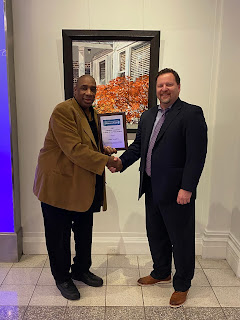
 

A Storied Career: Interview with 2021 NAADAC Enlightenment Award Winner, Mark Sanders

Photo of Mark Sanders

 
Mark Sanders, LCSW, CADC, is the Illinois State Project Manager for the Great Lakes ATTC, MHTTC, and PTTC. Mark is a published author, trainer, educator, and mentor, as well as the founder of the Online Museum of African American Addictions, Treatment, and Recovery and the co-founder of Serenity Academy of Chicago, the only recovery high school in Illinois. 


If you have never attended a training hosted by Mark Sanders, you're missing out. Mark has a unique ability to be at once both energizing and reassuring. His presentations are equal parts inspiration and intellect – a captivating mix of stories, memoire, and facts. He has motivated and educated countless members of the SUD workforce throughout his nearly 40-year career. For these reasons and many more, Mark Sanders, LCSW, CADC, has been selected as the recipient of the 2021 NAADAC Enlightenment Award, the 2021 Community Behavioral Healthcare Association of Illinois Frank Anselmo Lifetime Achievement Award, and the Illinois Association for Behavioral Health’s 2021 Lawrence Goodman Friend of the Field Award.   

The Great Lakes ATTC, MHTTC, and PTTC congratulate our colleague, Mark Sanders, on these well-deserved awards for his many years of exemplary service and leadership. In celebration of his accomplishments, we asked Mark to share his thoughts on the field of SUD recovery services and how he has achieved success throughout his career.

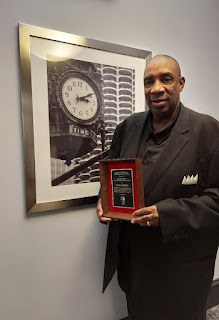
Mark Sanders accepting the Lawrence Goodman Friend of the Field Award
Lawrence Goodman Friend of the Field Award
Mark Sanders accepting the Frank Anselmo Lifetime Achievement Award
Frank Anselmo Lifetime Achievement Award


What inspired you to enter the fields of social work and substance use disorder recovery services? 

I graduated from my undergraduate program at 21 years old with a bachelor’s degree in social work and sociology. It's January and I'm standing at a bus stop with no job, a diploma underneath my arm, and I see a blinking neon sign that says, “Youth Center.” So, I walked in. As I waited to speak with someone, I noticed some books stacked in the corner of the room. I figured I may as well read while I wait, and the book I picked up was Another Chance [sic] by Sharon Wegscheider-Cruse. She talked about addiction, alcoholism, and families with roles like those of my own family members. I came from a family with lots of alcohol use disorder and substance use disorder, and I saw my family in that book. 

Eventually, I spoke with a member of the adolescent substance use disorders program at this youth center. I asked if they had any openings for counselors. They said they needed a strong male counselor, and I thought to myself, I don't know how strong I am, but I am a male counselor. And so, I was hired. For 39 years, I've been in this particular industry, helping individuals with their recovery. What’s kept me going is seeing the many clients over the years who have achieved recovery. I often think of the famous saying, “The flap of a butterfly's wings in Brazil can cause an earthquake in Texas,” and what I've come to realize is each time a client recovers, they go on to help others. The work never ends, and the results are magnified.

How have you seen the substance use disorder field change over time?

When I first became a counselor, we had one technique with clients: confrontation. Early in my career, I learned that a good substance use disorders counselor should be like a prosecuting attorney, like Perry Mason, and our job is to cross examine clients to get them to confess it all. What we’ve learned years later is that approach doesn’t work. The field has transitioned to using evidence-based practices, such as motivational interviewing and multiple pathways of recovery, and this has greatly improved our clients’ ability to achieve positive outcomes.

Another big change that occurred is in our language and the way we talk about substance use disorders. There is a Native American phrase that says, “If you want to appreciate something, call it a flower. If you want to destroy it, call it a weed.” Practitioners began using fewer stigmatizing words and phrases and doing so helped reframe our understanding of substance use disorder as a chronic condition, like cancer and diabetes, and not a moral failing. We’ve discovered that more and more people are seeking help because we are reducing stigma through language alone.

Is there one expert or scholar who's inspired you or guided you?

Yes – my mentor, William White.  He's known by many as a substance use disorders professional historian, but when I first met him, he was a trainer. Decades ago, I told my friends and colleagues that I wanted to be a trainer. Everyone said, if you want to be a trainer, you need to meet William White. He’s so charismatic – amongst the best trainers in our field.

One Friday night, William was hosting a workshop. I showed up, shy and nervous to approach him because of his reputation, but eventually, I introduced myself to him. He was so approachable and easy to talk to. We had lunch and he shared his knowledge with me and answered all my questions. He inspired me to become a mentor myself. One of the greatest lessons he passed down to me is that people who are truly grateful for what they've learned from this profession freely give it away. They pass it forward to the next generation.

What advice would you give to future social workers and counselors? 

Many people who enter this profession feel they’ve been called to do this work. You may be so busy working, trying to save human souls and help people recover, that you forget to take care of yourself. My advice for you is to take a break every day. Take your whole lunch hour. Treat your evenings and weekends as sacred time. Rest and replenish yourself so you can continue helping people without sacrificing your own wellbeing. 

Another piece of advice that I’d offer to future professionals is that it’s important you understand the history of what happened before you entered the field. You will be more successful in building up this profession if you understand its history. 

What are some things that you do for your own self-care?

I enjoy quiet time. I listen to music. I take walks. I like to relax and watch Netflix. I spend time with friends –  that's really, really important to me. You see, at my age now, if I live as long as most African American men, I only have about 450 weekends left. I need to enjoy the time I spend with my family and friends, and my weekends have to count. 

What are you most excited about as you go forward in this part of your career?

Part of my legacy is the Online Museum of African American Addictions, Treatment, and Recovery. I intend to keep building that website so that clinicians coming into the profession will have culturally relevant information about working with African Americans with substance use disorders. 

I’m also really passionate about the importance of quality clinical supervision. You can’t implement evidence-based practices unless there's quality clinical supervision. 

Finally, I’m excited about welcoming the next generation of professionals to the field and making sure we leave them the tools and information they’ll need to be able to move the field forward. 

Change Project 911: Unable to sustain a change

Mat Roosa, LCSW-R
NIATx Coach

“It’s easy to quit drinking. I’ve done it a thousand times.”   W.C. Fields

Change is easy. Sustaining change is not so easy. This is true for personal changes like quitting smoking, exercising more, driving slower, or keeping the house more organized. It is also true for workplace systems changes, such as implementing new policies and procedures. Too often, despite our best intention, we end up like Sisyphus, doing our best to roll the change up the hill, only to see it slide back down.  

The NIATx rapid-cycle PDSA change model emphasizes making changes that you can measure and implement quickly. Sometimes, change teams think of the process as a quick sprint to change. But sustaining a change (sustainment) is more like a long-distance run. So here are a few things you can do to pace yourself to sustain your change project gains. 

Create a sustain plan

Sustainment rarely happens without a clear sustainment plan. Just as inpatient hospital care should include discharge planning at admission, change projects should start sustainment planning at the beginning of the change. Build the sustainment conversation into the change project planning, and use the elements below to ensure sustainment success. 


Keep meeting

NIATx change teams meet frequently when developing and implementing a change project. Too often, these teams disband prematurely at the end of the change implementation. Schedule ongoing—but less frequent—change team meetings to monitor the successful change. 


Track the data

Many successful change sustainment teams develop a data dashboard for tracking key change metrics. Periodic review of the data helps decision-makers take action when the data reflects a drift from the new practice. Teams can set parameters that will trigger actions: If metric x drops below level Y, we will do Z, etc.


Engage new staff

Staff turnover poses a primary challenge to sustainment. Initial implementors leave, often replaced by staff who have no knowledge or investment in the new practice. Offset this issue and sustain the new practice by building it into your organization’s policy and procedures and new staff training. In addition, learning the history story of successful change projects helps new staff to appreciate the work that has come before them and will motivate them to sustain the improvements.


Assign a Sustain Leader

A key role in the NIATx model is the Change Leader. Teams are also encouraged to assign a data coordinator, who gathers and presents the change project data. The Sustain Leader plays another key role for Change Teams. Assigning a  Sustain Leader responsible for creating a sustainment plan is the clearest path to making sustaining the change a priority for your team.


Focus on ROI

Change teams feel frustrated when they see the progress of a successful change project fading—or worse, reverting to the old way. Backsliding leaves the team right back where they started, with little to show for their efforts. Instead, motivate teams to sustain successful gains by celebrating progress. Announcing the successful change and honoring the change team's effort in an office newsletter or other communication can also motivate the team to sustain the improvement.


Recognize the challenge of turning the new into the norm

Most people and teams are better at starting new things than they are at sustaining new things. Humans evolved to notice risk and make rapid decisions to increase safety. Appreciating this innate wiring can help us feel greater empathy for ourselves and our team members as we work to monitor changes and enhance sustainment. 

Using the strategies above can help you to succeed in turning new changes into norms of practice. However, continuous quality improvement is not just about the implementation of change. CQI also requires an ongoing effort to sustain the changes you have already made. 


About Change Project 911

Change Project 911 is a monthly blog post series covering common change project barriers and how to address them. Has your change project hit a snag that you’re not sure to tackle? Share your issue in the comments section below, or email Change Project 911 at matroosa@gmail.comWe’ll offer solutions from our team of change project experts!

About our Guest Blogger


Mat Roosa was a founding member of NIATx and has been a NIATx coach for a wide range of projects. He works as a consultant in quality improvement, organizational development and planning, and implementing evidence-based practices. His experience includes direct clinical practice in mental health and substance use services, teaching at the undergraduate and graduate levels, and human service agency administration. You can reach Mat (Change Project SOS) at matroosa@gmail.com.

AMERSA People & Passion, Episode 10: Initiating Medications for Opioid Use Disorder—There’s an App for That?!?

To support the utilization of Medications for Opioid Use Disorder (MOUD), the Office Based Addiction Treatment Training and Technical Assistance (OBAT TTA) team will be releasing a mobile application that will guide healthcare providers through the initiation of buprenorphine and naltrexone for OUD (including injectable buprenorphine) and pain management for patients on these medications via interactive clinical algorithms. This is one of the only apps of its kind for addiction care. This podcast will interview key members leading the development of the app to learn more about its development, what gaps it is addressing, and feedback on initial utilization and impact.
Web Access to the App: https://www.bmcobat.org/quick-start/
Find the app in the Apple Store and on Google Play


Elizabeth M. Oliva, PhD, received her PhD in Developmental Psychopathology and Clinical Science from the University of Minnesota where her graduate work examining the etiology of substance use from adolescence to early adulthood was funded by a National Science Foundation Graduate Fellowship. She completed her pre-doctoral clinical psychology internship at UCSD/VA San Diego and is currently the VA National Opioid Overdose Education and Naloxone Distribution (OEND) Coordinator. Dr. Oliva also conducts research on VA OEND implementation as an Investigator at the VA Center for Innovation to Implementation (Ci2i) at the VA Palo Alto Health Care System. She is a Senior Evaluator for the VA Program Evaluation and Resource Center (PERC; one of three VA Office of Mental Health and Suicide Prevention evaluation centers) and supports implementation of VA’s Stratification Tool for Opioid Risk Mitigation (STORM). Dr. Oliva is also an Associate Editor for the Substance Abuse journal.

Andrea Caputo, DNP, FNP-BC, CARN-AP, is a Nurse Practitioner and Clinical Nurse Educator for the OBAT TTA+ program at Boston Medical Center with expertise in women's health, individuals experiencing homelessness, and chronic disease management. She is committed to serving vulnerable populations and works per diem at Boston Health Care for the Homeless Program; Andrea has also conducted international healthcare work in Haiti. She is a term lecturer and preceptor for nurse practitioner students at the MGH Institute of Health Professions (MGH IHP). Andrea received her Masters of Science in Nursing in 2011 and her Doctorate of Nursing Practice in 2018, both from the MGH IHP. She is board certified in addictions nursing through the Addictions Nursing Certification Board.


Annie Potter, MSN, MPH, NP, CARN-AP 
is a Nurse Practitioner and Clinical Nurse Educator for the OBAT TTA+ program at Boston Medical Center. Annie educates and supports health care providers on best practices in the treatment of substance use disorders and serves as Medical Director for BMC’s Massachusetts OBAT ECHO. Prior to joining BMC, Annie practiced at a community health center in Baltimore, MD, where she established and served as the clinical lead for the city's first walk-in HIV treatment and prevention program. She is board-certified in addictions and holds specialty certifications for the treatment of HIV and Hepatitis C. Annie earned her Masters of Nursing and Masters of Public Health from the Johns Hopkins School of Nursing and Bloomberg School of Public Health, respectively.

AMERSA People & Passion, Episode 9: History of AMERSA with Sid Schnoll

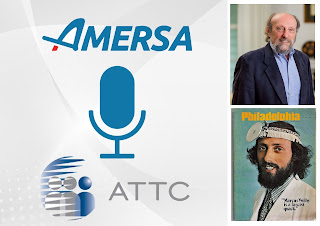
Sid Schnoll, one of the founders of AMERSA, discusses with Paula Lum the origin of the organization out of the Career Teacher Program of the early 1970s. The desire by the federal government to cultivate experts in substance use disorders into health professional schools has resulted in a vibrant, growing organization that helps health educators provide cutting-edge information to their students.


Sidney H. Schnoll, M.D., Ph.D.
, is an internationally recognized expert in addiction and pain management who has recently applied his experience of over 30 years in academic medicine to the issues of risk management of controlled substances. Sid was a member of the team that developed the Tramadol Independent Steering Committee (ISC), and he was the principal investigator on the health care professional surveillance project to determine rates of use of tramadol among health professionals. Sid also developed the RADARS® System to study the use and diversion of prescription opioids, which was cited by the FDA as a model risk management program. With over thirty years in academic medicine, Sid has published over 150 research papers, book chapters and educational materials. His areas of research include both addiction and pain management with special emphasis on perinatal addiction and prescription drug use.


Sid Schnoll on 1971 Philadelphia Magazine Cover


Paula J. Lum, MD, MPH
 is an HIV primary care physician, addiction medicine specialist, and Professor of Medicine at the University of California, San Francisco.  Board certified in internal medicine and addiction medicine, her research, clinical, and teaching activities for the last 25 years have focused on evidence-based and patient-centered care to improve the health and wellness of the urban poor.  After attending her first AMERSA conference in 2008, Dr. Lum “felt the love” and knew she had found her professional home.   She enjoyed reviewing abstracts for the conference so much, that she went on to co-chair the Abstract Committee in 2012 and 2013, and to co-chair the Conference Program Committee in 2014 and 2015.  Encouraged by AMERSA colleagues and other giants in the field, she established the first accredited Addiction Medicine Fellowship Program in the University of California.  In 2019, Dr. Lum received AMERSA’s W. Anderson Spickard, Jr. Excellence in Mentorship Award and began her current tenure as President of the AMERSA Board of Directors.  At the Annual National Conference, pestering Sid Schnoll for stories about the Summer of Love has become one of her favorite traditions.